

</p>

Submit your first entry!
Enter Civic Star Challenge!
Many of iCivics' resources connect to a Civic Star Challenge contest themes. Explore a few suggestions below. The contest 0pens August 15th!
Submit an Entry!iCivics Suggested Civic Action Resources
More K-5 ResourcesIn Pursuit of Civic Courage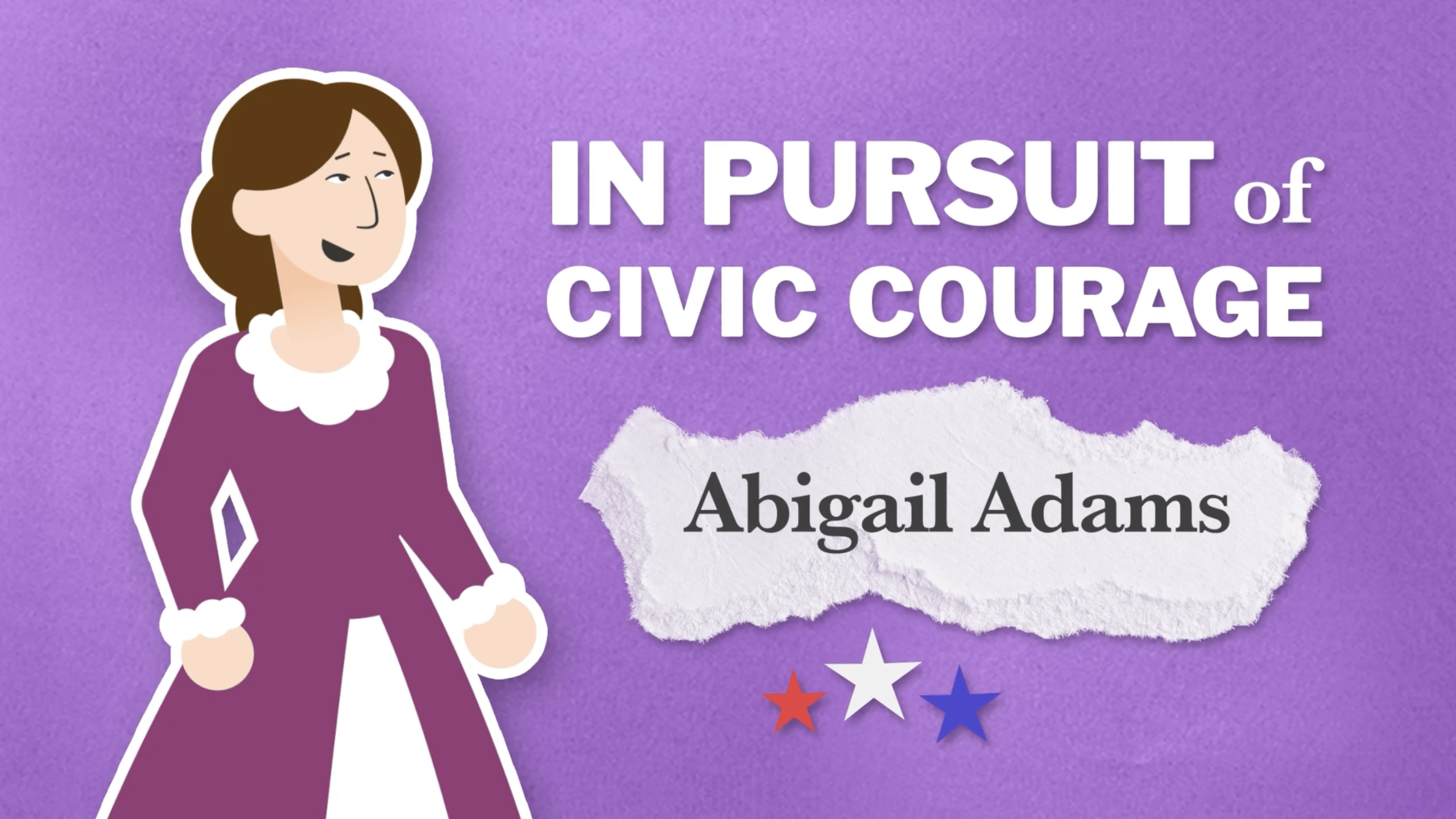 Students learn how Abigail Adams demonstrated civic courage by advocating for women's rights in letters to her husband, and are prompted to reflect on how they will use their own voice. |
More 6-8 ResourcesGetting Involved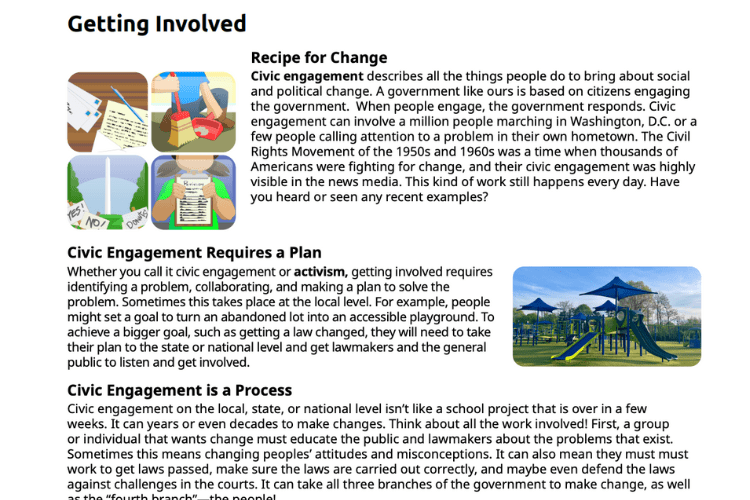 Students learn civic engagement steps through four historical movements (women's rights, disability rights, Native American rights, migrant workers) and compare views on a contemporary issue. |
More 9-12 ResourcesNeighborhood Good Students solve community challenges in a fictional neighborhood by gathering information and building an action plan. |
Why Do We Have So Many Governments Students explore how life under British rule and the Articles of Confederation shaped the formation of U.S. government, learn about the three levels of government, and navigate a local government scenario. |
Civic Action Plan A 10-step, research-intensive civic action project where students choose a real county issue, research it, identify stakeholders, and develop a full action plan. |
Kids Making a Difference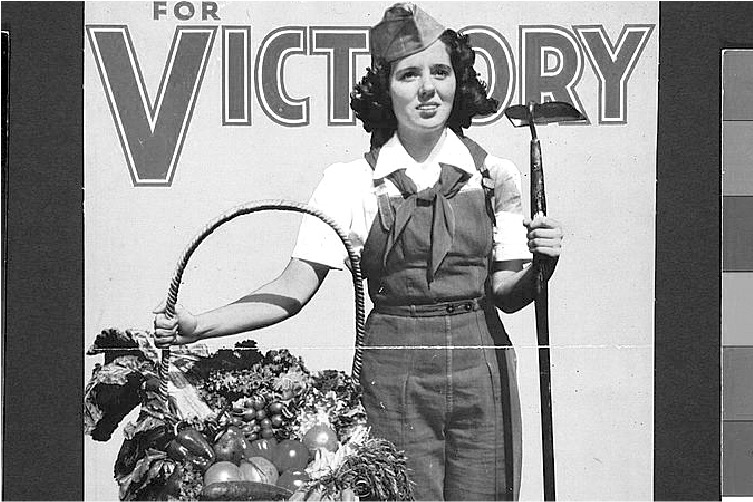 Young people from three different periods in U.S. history share, in their own words, how they helped their communities and country. All three take on the issue of food insecurity in times of war and peace. |
iCivics Suggested Media Literacy Resources
More K-5 ResourcesGrades 2-3 Getting Involved Students engage in artifact analysis as close reading and are introduced to sourcing, contextualization, and corroboration — the core historical thinking skills that directly support media literacy evaluation. |
More 6-8 ResourcesVerifying Social Media Posts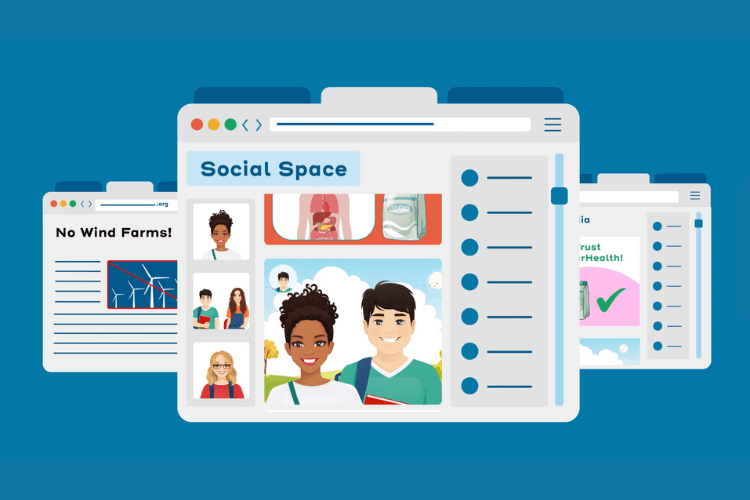 Students practice lateral reading to verify a claim on social media, investigate the source of a post, and evaluate credibility. |
More 9-12 ResourcesTruth or Trick: Videos and Their Influence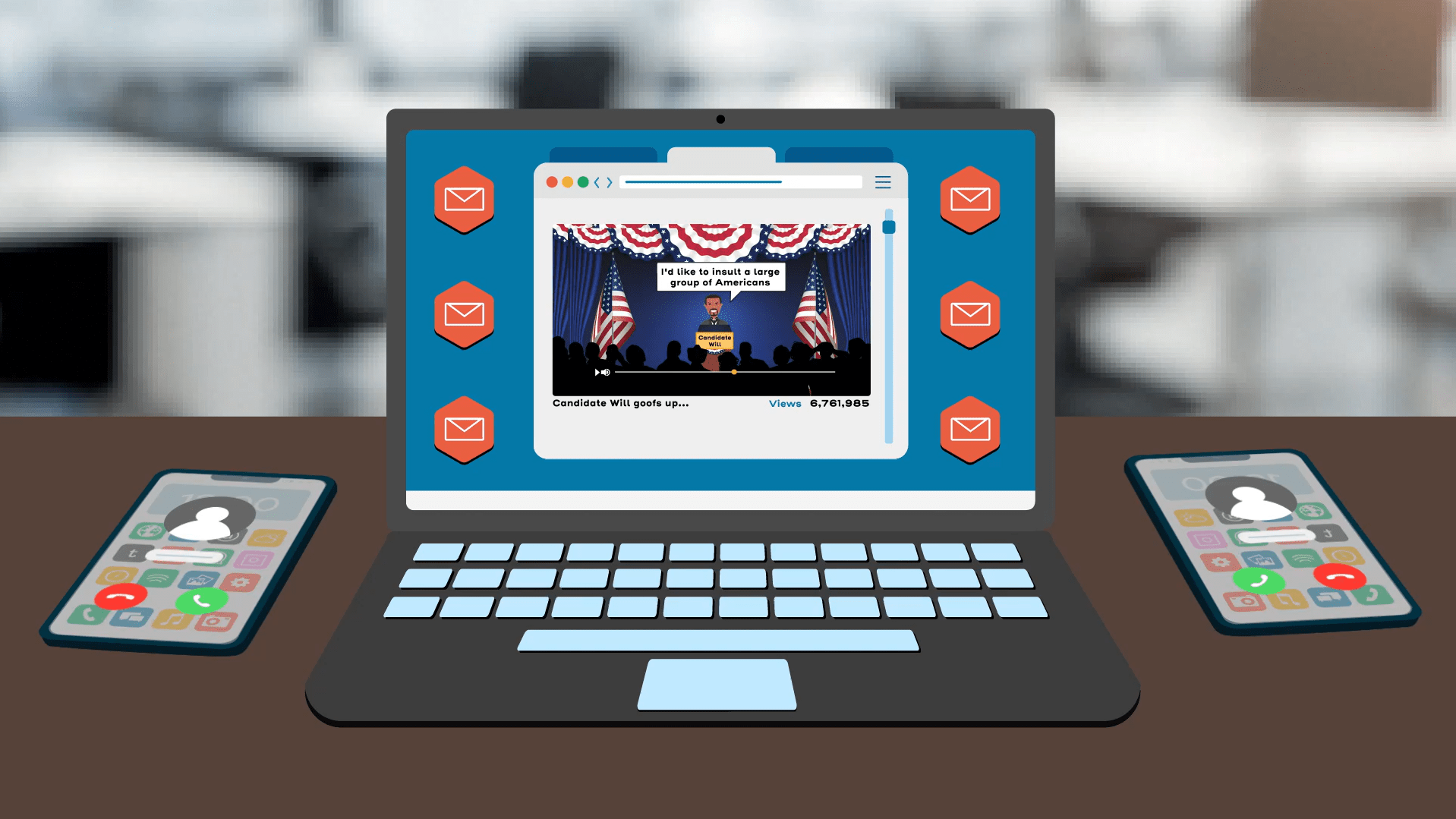 Students evaluate the source and authenticity of online videos and practice lateral reading to determine whether a video is credible. |
Grades 4–5 Intro to Inquiry Students engage in artifact analysis as close reading and are introduced to sourcing, contextualization, and corroboration — the core historical thinking skills that directly support media literacy evaluation. |
Intro to Lateral Reading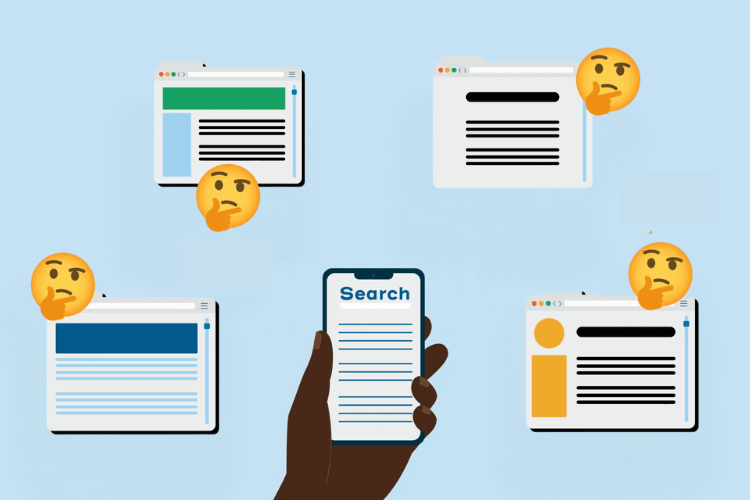 A short video introducing lateral reading as a strategy for verifying online information, paired with a printable activity. |
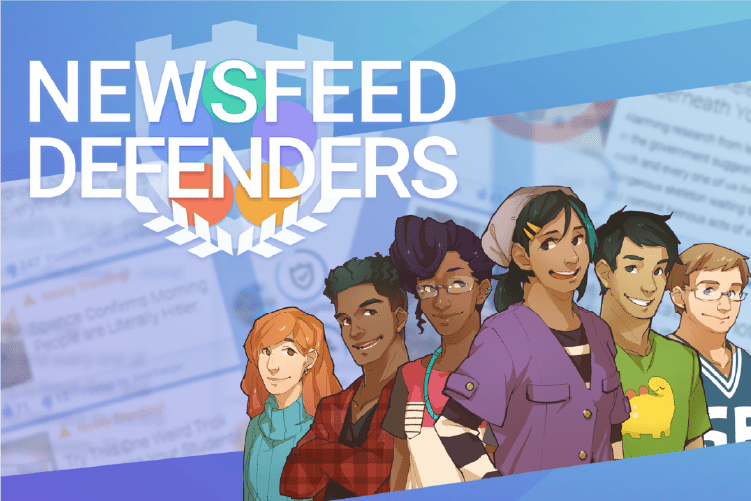
NewsFeed Defenders Students patrol a social media newsfeed, identifying deceptive posts, hidden ads, viral deception, and false reporting using journalism standards. |
iCivics Suggested Debate and Dialogue Resources
More K-5 ResourcesDisagreements (Ages 2–5) Ava and Johnny disagree about what game to play and must learn to work through it respectfully. |
More 6-8 ResourcesSupreme Decision: Free Speech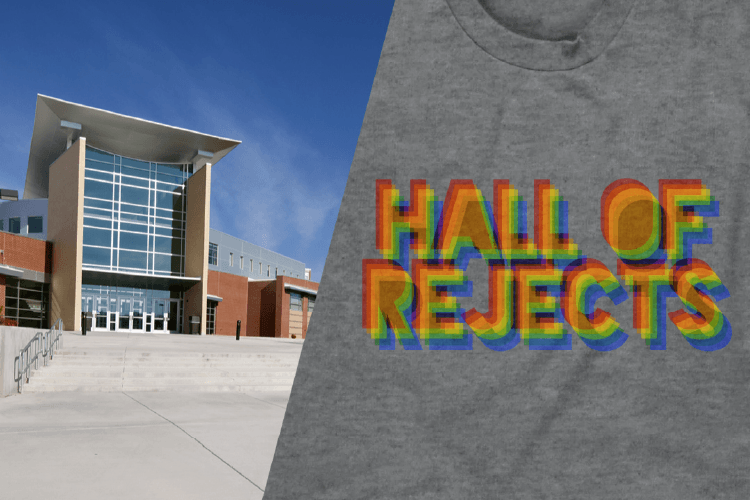 Students take on the roles of Petitioner, Respondent, or Justice in a fictional First Amendment case modeled on Tinker v. Des Moines. |
More 9-12 ResourcesSupreme Decision: Free Speech Students argue a First Amendment case as Petitioner, Respondent, or Justice, applying Tinker v. Des Moines precedent to a new scenario. |
In Pursuit of Common Ground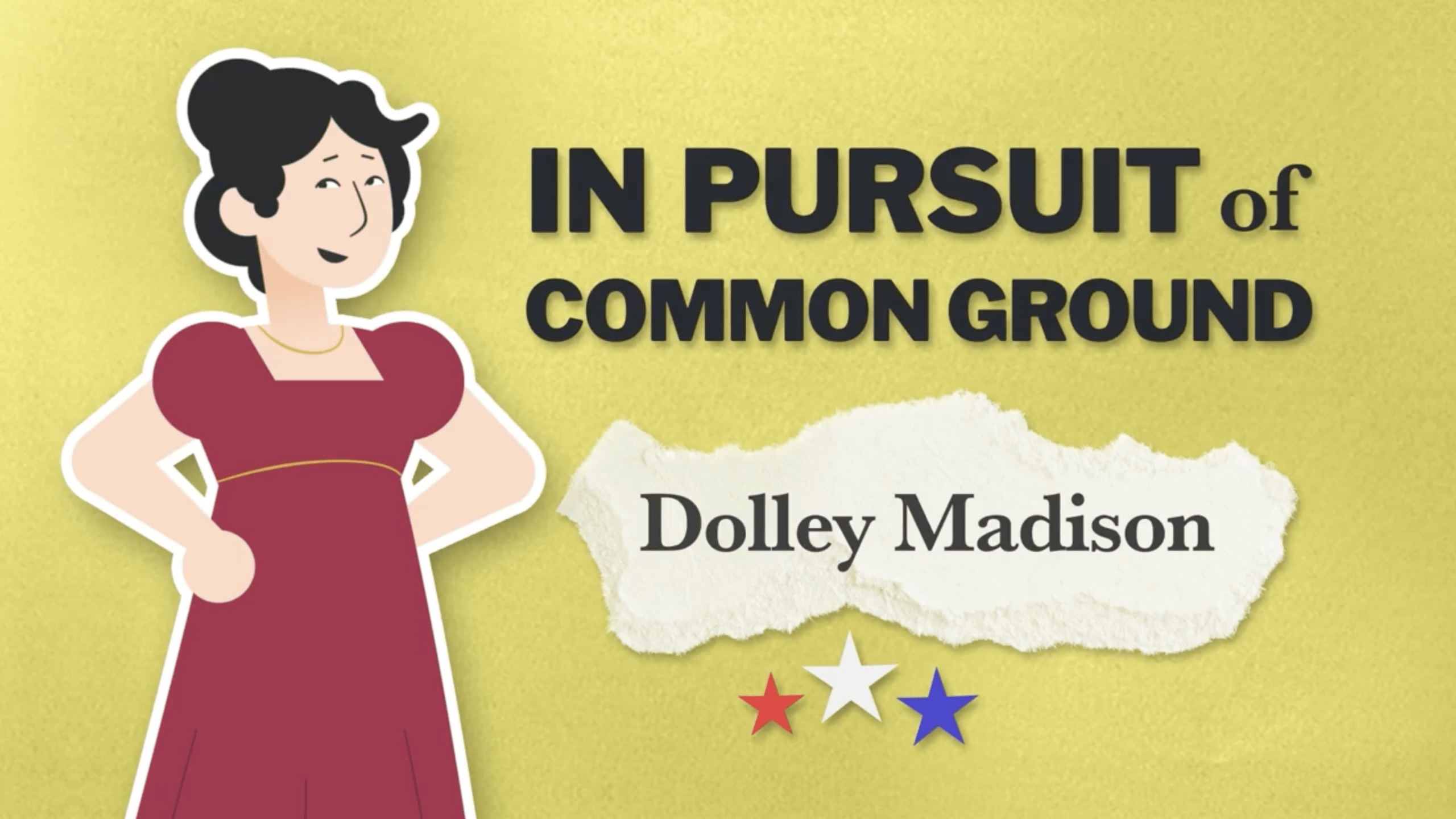 Students learn how Dolley Madison encouraged compromise by bringing political rivals together, and are prompted to reflect on what they can do to find common ground with others. |
Constitutional Compromise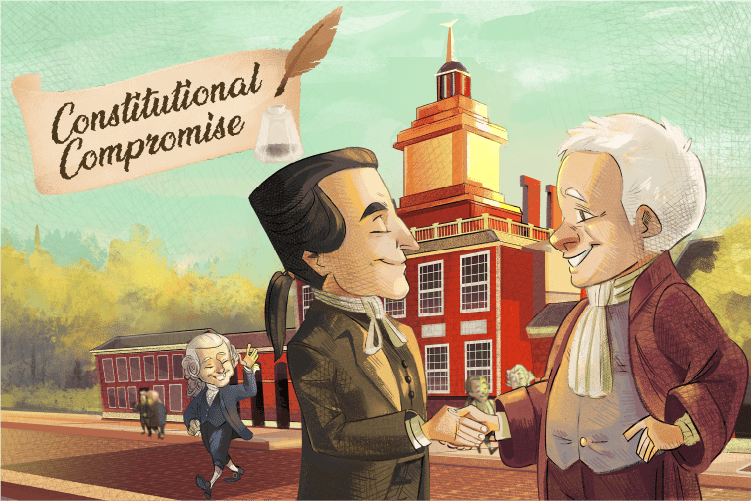 Students will hear from delegates as they cast their vision for the future of the United States, balance the interests of a diverse set of states, and navigate the interests of delegates who envision vastly different roles for the new government. |
Constitutional Compromise Students will hear from delegates as they cast their vision for the future of the United States, balance the interests of a diverse set of states, and navigate the interests of delegates who envision vastly different roles for the new government. |